
It is surprising how many ways anxiety can show up in your body. You might feel tightness in your chest, heart racing or notice your legs turning to jelly when stress hits.
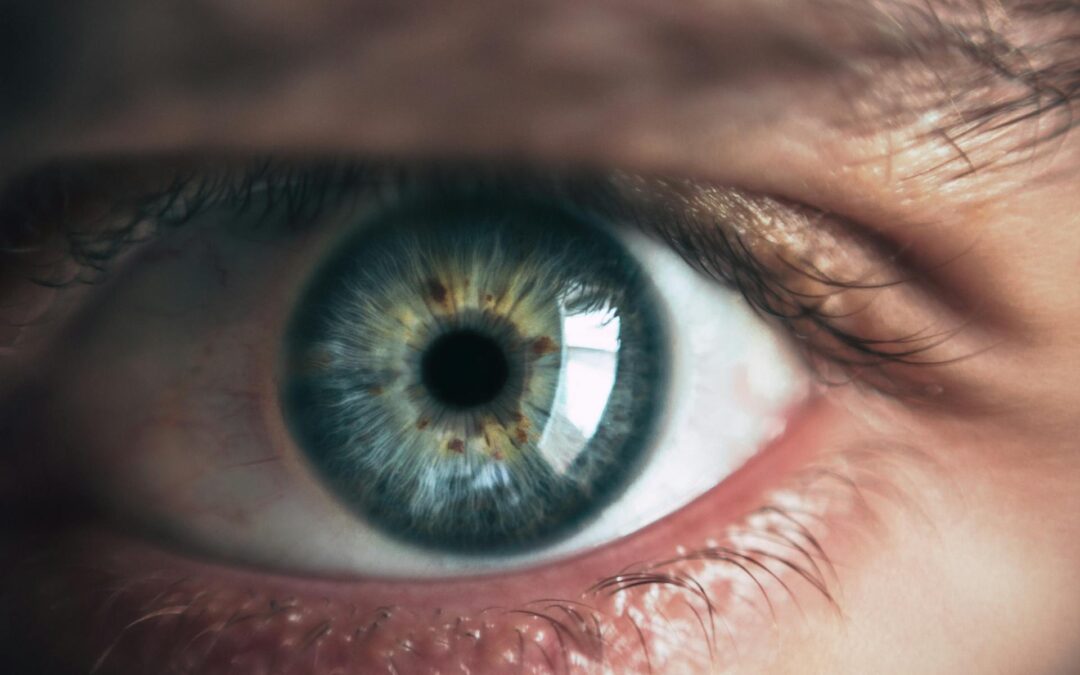
But if you’ve ever had a moment where your sight went fuzzy during fear or panic, you might ask, Can anxiety cause blurred vision too?
It can feel scary and confusing, especially if you’re already trying to hold yourself together.
Let’s look at how anxiety and blurred vision might be linked, and what you can do to start feeling clearer and more in control again.
Can Anxiety Cause Blurred Vision?
Simply put, anxiety can sometimes lead to blurred vision, but it is not a common direct cause.
When you feel anxious, your body sets off a stress response (often called “fight, flight, or freeze”). In response, your body releases stress hormones such as adrenaline and cortisol. These changes affect your heart rate, blood pressure, breathing, and yes, your vision.
Interestingly, in many cases, your vision might sharpen even more during high alert because your body prepares you to react. But there are a few ways the stress response can lead to blurred vision:
- If you’re moving quickly (physically or mentally), your vision may feel blurry simply because your system is overloaded.
- Dry eyes, which are more common in people with long-term anxiety, can blur your vision.
- Dehydration, poor sleep, or skipping meals, which are all more likely when you’re anxious, can contribute to blurry vision.
- Chronic high blood pressure, which sometimes coincides with long-term anxiety, might also affect your eyes over time.
Other Anxiety-Related Vision Changes to Watch For
Blurred vision isn’t the only way anxiety may affect your eyes. Some other changes you might notice include:
- Light sensitivity or discomfort when looking at bright screens or daylight.
- Eye twitches or spasms often when you’re exhausted or stressed.
- Floaters (small spots or lines drifting in your vision).
- Tunnel vision or difficulty seeing your full field of vision during high anxiety or panic moments.
- Trouble focusing your eyes or keeping them steady when you’re jittery or wired.
If any of these symptoms appear, especially if they persist or feel severe, it is essential to consult an eye doctor or your healthcare provider.
These symptoms might show up because of anxiety, or they might reveal another condition that needs attention.
At the same time, therapy approaches like Cognitive Behavioral Therapy (CBT), Eye Movement Desensitization and Reprocessing (EMDR), and Emotionally Focused Therapy (EFT) can help you become aware of how anxiety is affecting you physically.
These approaches help you build strategies, shift your response pattern, and reduce the likelihood that these symptoms will increase over time.
Find Relief From Anxiety With Trusted Therapists in Mesa, AZ
At Mesa Family Therapy, you do not have to face anxiety or confusing body symptoms on your own.
You deserve care that feels safe, steady, and real. Our team is here to support you and guide you toward lasting change.
In our sessions, we use practical tools and evidence-based approaches like Cognitive Behavioral Therapy (CBT) to help you understand your anxiety and make clear progress.
Together, we can explore what triggers your anxiety and develop strategies that help you manage it in everyday situations. These are skills you can carry with you, long after you leave the therapy room.
We accept Aetna, UHC, BCBS, and other insurance providers. If you are ready to take the next step, we are here to help you feel grounded, hopeful, and supported.