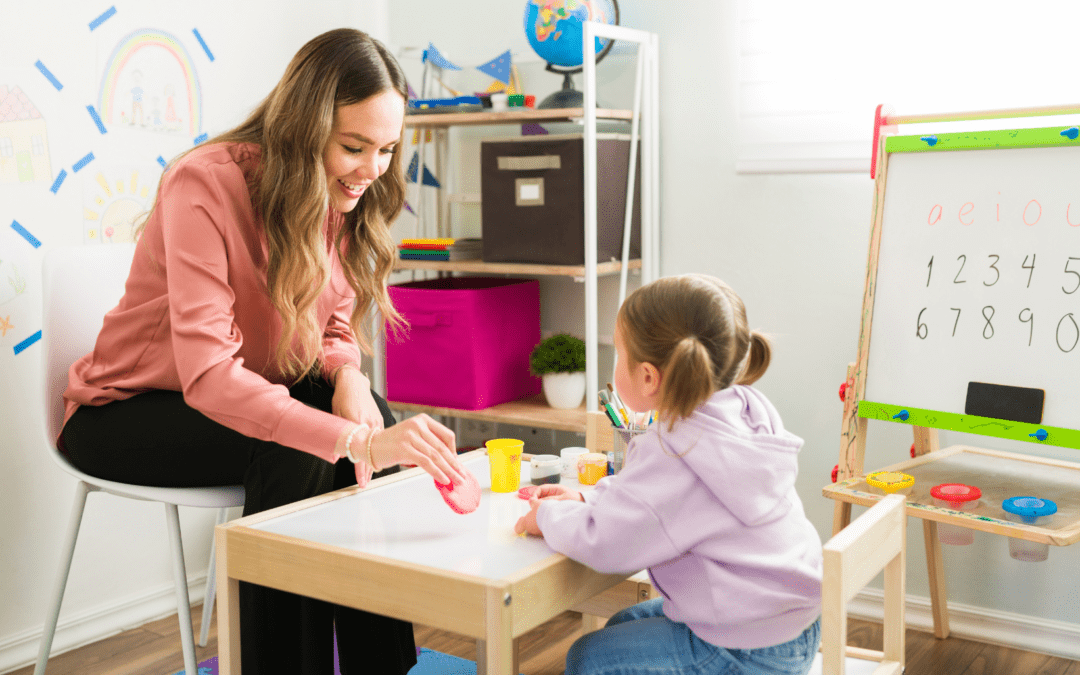
When it comes to helping children navigate their emotions and challenges, play therapy has emerged as a highly effective approach. By engaging kids in activities that feel natural to them—like playing with toys, drawing, or role-playing—this therapeutic method helps them express feelings, work through trauma, and build coping skills. In this blog, we’ll explore the benefits of play therapy, what a typical session involves, and how to determine if it’s the right choice for your child.
What Is Play Therapy?
Play therapy is a form of psychotherapy primarily used for children. It leverages the natural medium of play to help kids articulate their thoughts and emotions in ways they might struggle to do verbally. By creating a safe and structured environment, therapists guide children through activities that allow them to:
- Process difficult experiences
- Build emotional resilience
- Enhance problem-solving skills
- Develop healthier relationships
Unlike traditional talk therapy, which relies heavily on verbal communication, play therapy recognizes that children often communicate best through actions and creativity.
How Does Play Therapy Work?
A trained play therapist designs sessions that are tailored to the child’s unique needs and developmental level. Activities in play therapy might include:
- Pretend Play: Acting out scenarios with dolls, puppets, or figurines to explore feelings and relationships.
- Art Activities: Using drawing, painting, or sculpting as a form of self-expression.
- Sand Tray Therapy: Arranging toys or objects in a sandbox to create symbolic representations of their inner world.
- Games: Playing structured games to teach social skills, self-regulation, and problem-solving.
Through these activities, therapists observe patterns, identify emotional struggles, and guide the child toward healing. Play therapy also often involves parents or caregivers, helping them understand and support their child’s emotional growth.
The Science Behind Play Therapy
Research shows that play therapy can be effective for a wide range of emotional and behavioral challenges, including:
- Anxiety
- Depression
- Trauma or post-traumatic stress disorder (PTSD)
- Grief and loss
- Attention deficit hyperactivity disorder (ADHD)
- Autism spectrum disorder (ASD)
The process works because play provides a natural outlet for children to explore complex emotions. By engaging in play, children can:
- Gain a sense of control over their experiences
- Build trust with their therapist
- Learn new ways to handle stress and conflict
The Four Stages of Play Therapy
Play therapy typically progresses through four stages:
- Engagement: The child builds rapport and trust with the therapist, exploring the playroom and beginning to express themselves.
- Exploration: The child starts using play to explore their emotions and experiences in a deeper way.
- Working Through: The therapist and child address specific emotional or behavioral challenges, often revisiting past experiences to process them.
- Resolution: The child gains insights, learns coping strategies, and demonstrates improved emotional regulation and behavior.
These stages are not always linear, and the pace varies depending on the child’s needs and readiness.
Is Play Therapy Right for Your Child?
If you’re wondering whether your child could benefit from play therapy, consider the following signs:
- They struggle to communicate or articulate their feelings.
- You notice changes in their behavior, such as increased aggression, withdrawal, or anxiety.
- They’ve experienced a traumatic event, such as a divorce, move, or loss of a loved one.
- They have difficulty making friends or managing social situations.
- You’ve observed ongoing challenges with school performance or self-esteem.
Play therapy can also be a helpful tool for children who have been diagnosed with specific mental health conditions, such as ADHD, depression, or autism.
What to Expect in a Play Therapy Session
Each play therapy session is unique and tailored to the child’s developmental stage and emotional needs. Here’s a general idea of what happens:
- Introduction: The therapist explains the purpose of play therapy in an age-appropriate way and allows the child to explore the playroom.
- Engagement: The therapist observes how the child interacts with toys and activities, identifying patterns and emotional cues.
- Guided Play: Depending on the goals of therapy, the therapist may introduce specific activities to address particular challenges.
- Wrap-Up: Sessions often end with a reflection on the play activities, helping the child make connections between their play and their emotions or experiences.
Sessions typically last 30-50 minutes and occur weekly. Progress is monitored over time, and therapists may provide feedback and guidance to parents or caregivers.
FAQs About Play Therapy
What do they do in play therapy?
In play therapy, children engage in various activities, such as role-playing, drawing, and playing with toys, to express their emotions and work through challenges. Therapists use these activities to observe behaviors, identify underlying issues, and guide the child toward emotional growth.
What is the best age for play therapy?
Play therapy is most effective for children aged 3 to 12, although it can also benefit older children and even adults in some cases. The approach is particularly suited for younger children who may struggle to articulate their feelings verbally.
What are the four stages of play therapy?
The four stages of play therapy are:
- Engagement: Building trust and rapport.
- Exploration: Expressing emotions and experiences through play.
- Working Through: Addressing specific challenges and past experiences.
- Resolution: Gaining insights and learning coping strategies.
How do I know if my child needs play therapy?
Consider play therapy if your child is experiencing emotional or behavioral difficulties, such as anxiety, aggression, withdrawal, or struggles following a traumatic event. A therapist can help determine whether this approach is suitable for your child.
Final Thoughts
Play therapy offers a compassionate and effective way to help children navigate their emotions and challenges. By meeting kids where they are—in the world of play—this therapeutic approach empowers them to heal, grow, and thrive. If you think play therapy might benefit your child, consider reaching out to a licensed play therapist to learn more.
Interested in starting play therapy for your child? Get started with Mesa Family Therapy here.

Location
Crossroads: Greenfield Road and Brown Road
Call or Text
480-937-2860